Premium detailing is not a single menu line, it is a workflow, a mindset, and a set of standards that guide every choice from the first rinse to the final inspection under bright lights. The difference shows in the tools a shop buys, the way it tests products on a small section before committing, and how it manages time so nothing is rushed where it shouldn’t be, and nothing lingers longer than it has to. If you have ever watched a vehicle transform from tired and hazy to crisp and reflective, you know how much of that result is craft rather than luck.
What premium really covers
A car detailing service at the high end tends to follow a consistent arc. The car is evaluated first, not washed. A technician looks at the paint in direct light and with angled inspection lamps, checks for previous repairs, asks about the vehicle’s history, and notes any aftermarket parts. The checklist is not there to upsell, it is there so any chosen method does not create new problems. Paint correction on a panel that was resprayed too thin can jeopardize clear coat. An extraction pass on fragile vintage fabric can distort the weave. Good shops make different decisions depending on what they are given.
Once the scope is clear, washing and decontamination become the foundation. Any dirt left behind will be ground into the surface during later steps, and any bonded contamination like tar or overspray will keep pads from working properly. This is why premium services often budget more time for what looks like basic cleaning. The reality is, every minute spent making the surface pure saves multiple minutes of guesswork later.
The core toolkit, and why it matters
Plenty of garages can wash a car and apply a product. A premium shop builds its inventory around repeatable outcomes. The most obvious items are machines and chemicals, but the quiet workhorses are calibrated lights, consistent pad systems, and meters that quantify what the naked eye misses.
Here is a concise view of the five categories that make the largest difference day to day:
- Precision lighting for defect inspection, from high CRI handheld lights to overhead LEDs at different color temperatures. Dual action and rotary polishers with a full pad system, including microfiber, wool, and foam in multiple cuts. Decontamination tools such as clay media, fallout removers, and tar solvents, paired with pH specific soaps and rinseless options. Extractors and steamers for interiors, plus air movers and ozone generators where odor remediation is required. Measurement devices, including paint thickness gauges, gloss meters, and IR thermometers for safe cure cycles after coatings.
Those tools work only as well as the hands that use them. A dual action polisher can remove defects safely, but speed, pad choice, and residue management will decide whether you finish in two stages or four. A fallout remover will dissolve iron, but if you do not neutralize it fully, you may introduce staining. The details add up.
How Os Pro Auto Detailing structures a full detail
Shops develop rhythms because sequences prevent errors. At Os Pro Auto Detailing, the day often starts with staging: clean pads counted, gloves and tape at the bench, lighting angles set so every panel can be checked without dragging cords around the car. The first touch is always the wheels and tires. Brake dust, tar, and browning on the rubber require their paint correction Os Pro Auto Detailing own chemistry, and doing them first keeps grit away from freshly washed paint.
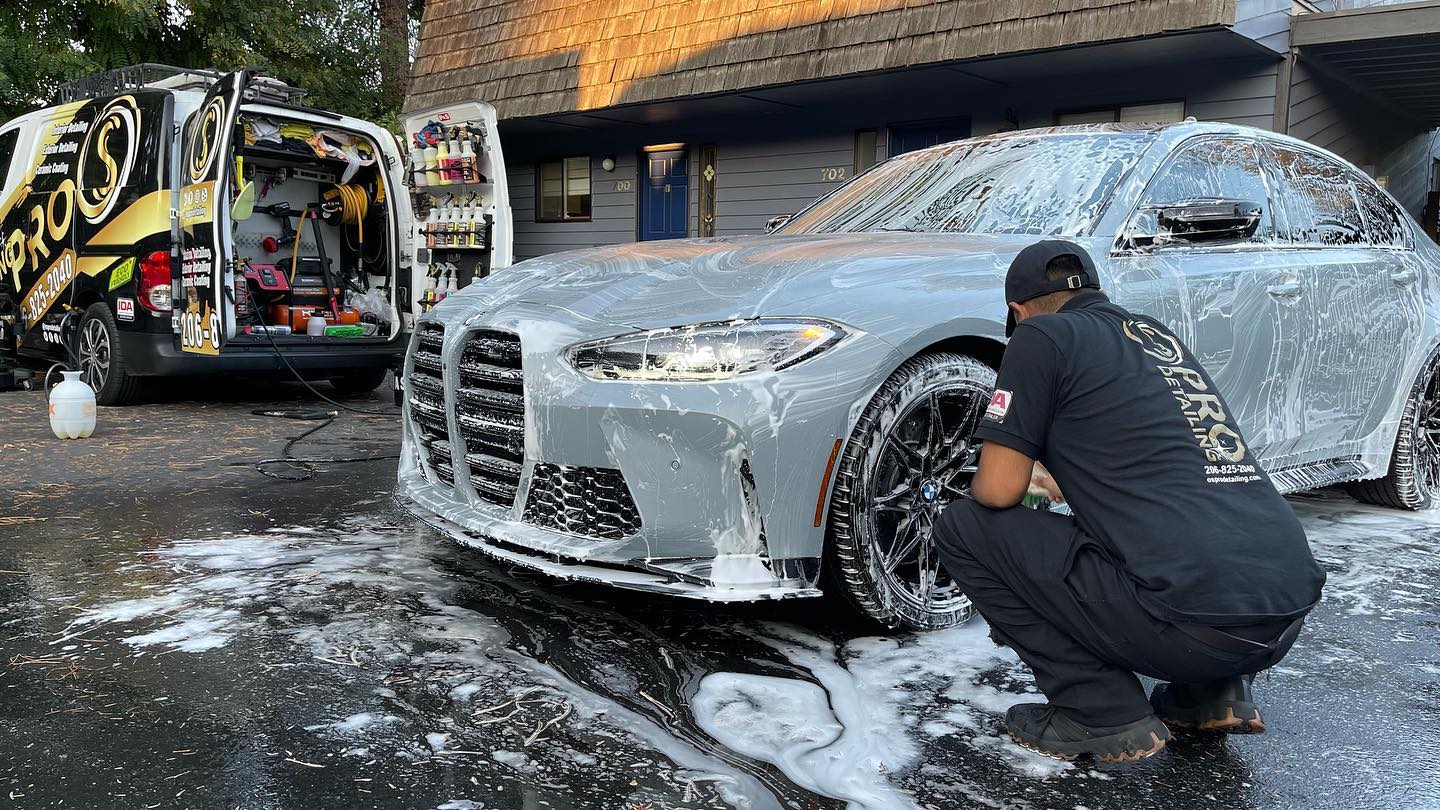
The wash stage typically includes a pre-foam to float loose debris, followed by a contact wash with dedicated mitts for upper and lower panels, then a gentle rinse. If the vehicle is particularly contaminated, decontamination continues while the surface is wet. Iron removers are applied panel by panel, agitated lightly, then flushed thoroughly. Some projects need a clay pass using a clay towel or fine grade bar with a slick lubricant, especially if the owner wants a ceramic coating installed later. Taping follows: emblems, delicate trims, and high edge areas are masked to avoid staining or burn through.
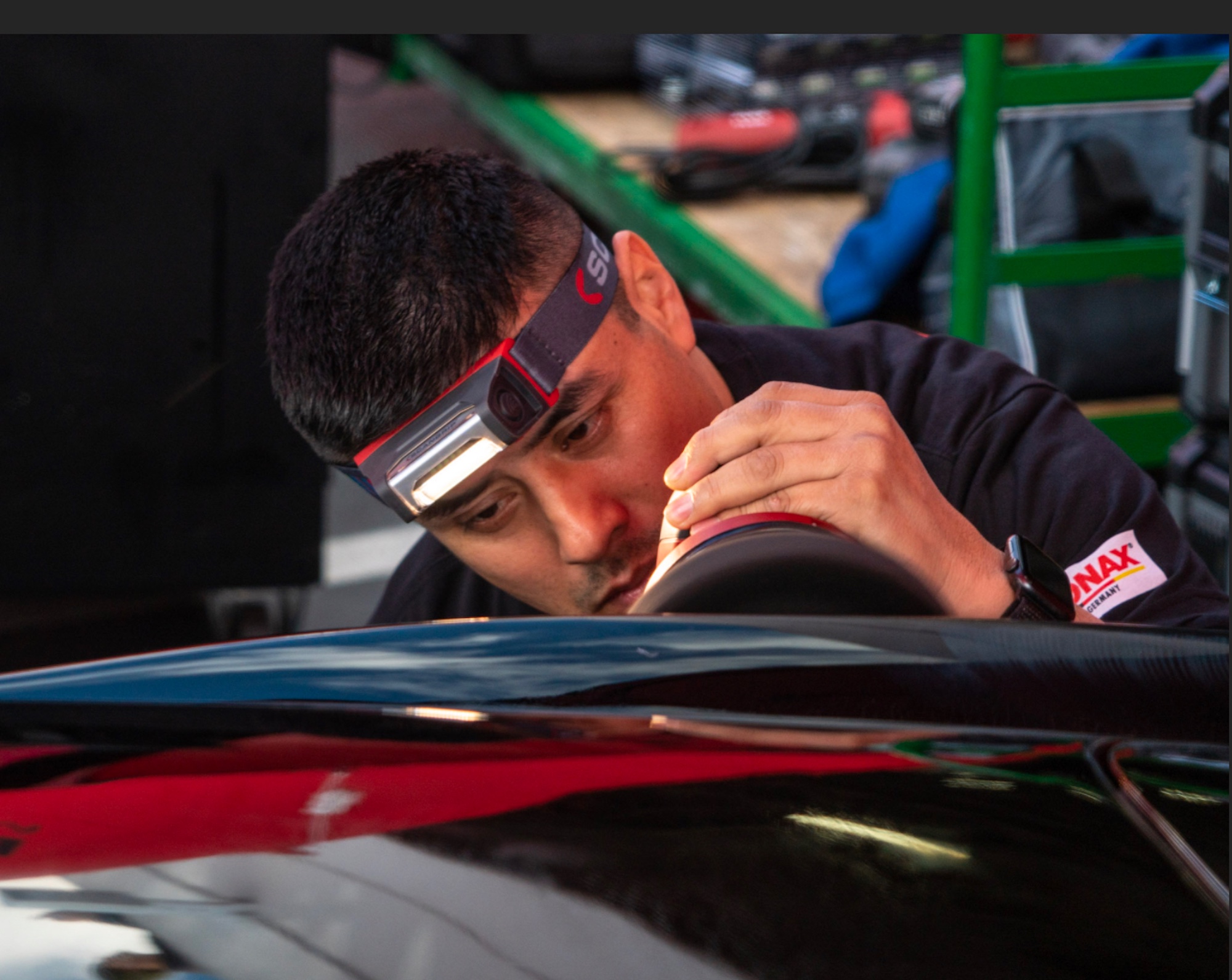
After drying with plush towels and filtered air, a test spot is chosen. On a black sedan with medium hardness clear coat, Os Pro Auto Detailing might start with a microfiber cutting pad and a diminishing abrasive compound at a modest speed, check the result, then refine with a foam finishing pad and polish. If the paint is softer, the microfiber may be too aggressive, so the first step shifts to a wool pad with a gentler compound. The goal is not glossy in one pass, it is the least aggressive route to the desired correction.
The science behind paint correction
Paint systems stack like layers of onion skin: substrate, primer, base coat color, and clear coat on top. On most modern cars, the clear coat is in the 30 to 50 micron range, thinner than a sticky note. That is all that protects your color from UV, etching, and swirls. Removing defects means removing clear coat material, so smart correction finds the minimum viable cut and reserves as much clear as possible for the future.
A paint thickness gauge tells you how much total build exists, but it cannot separate clear from base without specialty equipment. Context fills the gap. If a hood reads 80 microns and adjacent fenders are 120, that hood has likely been sanded or resprayed thin. You might still polish it, but you dial back the ambition. A premium car detailing service will also factor heat. Machines build temperature quickly on plastic bumpers and edges. An IR thermometer lets you pause before you overcook the surface.
Compounds, polishes, and pads form a matrix. A microfiber cutting pad bites deeper and runs warmer than a foam pad. Diminishing abrasives start coarse then break down to finer particles, so your working time matters. Non diminishing abrasives cut consistently, but require timely wipe off to avoid haze. Acronyms and product lines change, yet the principles do not: test, observe, adapt.

Interior work is more than vacuum and wipes
People tend to notice the gleam on the hood first, but how a car feels inside shapes the daily experience. Vacuuming is the visible part. What distinguishes premium interior work is the way a tech traces the path of grime. Door jambs deposit fine black grease along weather strips. Air vents carry a film that settles onto glossy trim. Seats accumulate dye transfer on outer bolsters, and that transfer behaves differently on coated leather than on porous, aniline leather.
Extraction solves some of this, but not all. On delicate fabrics, too much water loaded into a cushion can cause wicking, bringing a tide mark to the surface as the foam dries. Switching to a steamer with microfiber capture can deliver heat and soften oils without saturating the padding. On leather, most premium services prefer gentle surfactants and soft brushes, then a protectant tailored to the finish. Satin finishes often look tacky if a glossy conditioner is used. A good interior pass ends when every control surface feels consistent, not slick.
Protection: wax, sealant, ceramic coating, and paint protection film
Protection is where preferences and use cases separate. Traditional wax has a warm look and is easy to maintain, but it is temporary. Sealants offer better chemical resistance and longevity. Ceramic coating, applied correctly on a properly prepped surface, provides a harder wearing hydrophobic layer that resists light etching and makes washing easier. It does not prevent rock chips and it is not scratch proof, but it meaningfully reduces maintenance effort.
Paint protection film, often called PPF, is the physical barrier for impact. Modern films self heal light marring with heat and can be wrapped with minimal seams. You choose it where you expect impact or abrasion, like front bumpers, hoods, rocker panels, and luggage areas. Because PPF has its own surface properties, it changes the way light reflects. On darker paints, a full front PPF paired with a ceramic coating over film and paint gives a cohesive look and better day to day cleanup.
There is also a place for a window tinting service in the overall package. Quality tint reduces interior heat load, slows UV related fading, and can cut glare significantly. On some vehicles, ceramic tint helps the HVAC keep up in summer. It is not just a style choice. The trick is matching film type to your priorities. Metallized films can interfere with antennas on some models, while dyed films trade a bit of longevity for a softer visual tone.
Timeframes that make sense
How long all of this takes depends on vehicle size, condition, and the agreed scope. A professional can give windows rather than absolutes because each car writes its own script. Still, there are patterns. A maintenance wash and interior refresh on a clean compact might be complete in two to three hours. A full decontamination, one step polish, and a mid grade ceramic coating often occupies most of a day for one technician, or half a day for a coordinated two tech team. Multi step paint correction paired with coating and PPF can stretch across two to three days, mainly because cure times and film setting cannot be rushed.
For easy reference, here are five typical service arcs:
- Maintenance wash plus interior reset: 2 to 4 hours. Decon wash with clay and iron removal: 1.5 to 3 hours. One step polish with sealant: 4 to 6 hours. Two stage paint correction with ceramic coating: 10 to 16 hours split over 1 to 2 days. Front end PPF, correction on exposed panels, and coating: 2 to 3 days including film set and coating flash windows.
These ranges assume no surprises like repainted panels that respond unpredictably, heavy pet hair, or severe water spotting that demands spot sanding. Add time when a vehicle arrives in significantly worse shape, and remember that weather can impose curing limits. High humidity or cold temperatures slow solvents and extend flash times for coatings and adhesives.
Quality control and defect mapping
The best work can be undone by a rushed wipe down. That is why quality control is not a single pass at the end. It threads through the process. After compounding, before moving to a finishing polish, many shops clean a panel with a dedicated panel prep solution to strip oils and reveal any remaining haze. Under strong, neutral lighting, a technician checks the surface at different angles. The imperfections that hide when you look head on often jump out when you squat and scan across the clear coat at a low angle.
Tape lines and edges receive special attention. If you see a dark line where tape was, that is unpolished paint and needs a careful hand, sometimes with a small 1 or 2 inch pad. After interior work, a drive to cycle the HVAC helps verify that smells were truly neutralized rather than masked. On coated vehicles, an inspection light held near the surface shows high spots that need leveling before they harden. Little rituals preserve big results.
Lessons from Os Pro Auto Detailing: when to recommend ceramic coating or PPF
There is no single right answer for every driver. At Os Pro Auto Detailing, the decision tree starts with how the car is used. For a highway commuter that sees year round road grit, a partial front paint protection film reduces chip repair and keeps the nose clean. A ceramic coating over the rest of the paint helps the owner wash less often and with less effort. For a garaged weekend car that is washed carefully, the owner might prefer a rich, warm waxed look refreshed a few times a year, accepting that it is more hands on.
Budget and expectations need to align with physics. When someone asks for scratch proof protection, technicians redefine terms. Ceramic coatings resist micro marring and chemical stains, but a stiff brush or a gritty wash mitt will still mark them. PPF handles impacts and light scuffs, not deep gouges from parking mishaps. The best outcomes come when protection is paired with a maintenance plan the owner can stick with.
What mobile detailing adds and where a shop still wins
Mobile detailing has matured. With quality water reclamation mats, battery powered polishers, and pure rinse systems, experienced teams can handle most exterior and interior tasks in a driveway. It is an asset for maintenance washes, one step polishes, and interior refreshes. In heavy correction, ceramic coating, and paint protection film installs, a controlled shop space still wins. Dust control, stable temperature, and consistent lighting save time and reduce the risk of defects trapped under coatings or film.
Os Pro Auto Detailing runs both modes depending on the job. A mobile rig can go out for a fleet wash day or for a ceramic coating maintenance top up. When it is time for multi stage paint correction and PPF installs, the car comes into the studio, where lighting grids and clean benches keep the environment predictable. The point is not that one approach is always better, but that each has a lane where it performs best.
Edge cases that separate amateurs from pros
Some paints are notoriously soft, like certain jet black finishes that mar if you look at them wrong. On these cars, a heavy cut with aggressive pads can chase swirls into a new haze that takes extra time to refine. Conversely, some European clears are so hard that a typical finishing polish barely moves the needle. Professionals swap pads and polishes based on real time feedback, not on brand charts alone.
Matte and satin finishes require different rules entirely. You cannot polish a matte panel without altering its sheen. Protection there relies on dedicated matte safe sealants or ceramic coatings designed for low gloss finishes, and owners must avoid automatic washes with rollers. Wrapped vehicles and vinyl graphics bring their own care instructions, and heat guns used for PPF installs need strict temperature monitoring so vinyl does not deform.
Classic cars often hide single stage paint under decades of oxidation. These finishes can respond beautifully to careful compounding, but they load pads quickly with pigment. Pads need constant cleaning, and the detailer needs to know when to stop so edges and high spots are not over thinned. EVs add another twist: abundant piano black trim that scratches if you breathe on it, plus sensitive ADAS sensors near the windshield and bumpers that require care during decon and coating.
Window tinting done right
Tint is often treated as an accessory, yet its application can make or break a premium detail. A clean, dust controlled space is as important for film installs as it is for PPF. Patterns are cut either by hand on a glass board or by plotter with model specific templates. Edges should seat neatly beneath gaskets where possible, and the film should be sized to avoid gaps around the frit. Cure times vary, so owners need to resist rolling windows down for a few days. In harsh climates, ceramic tint pays for itself in comfort. It is worth matching visible light transmission to local regulations and your night driving comfort rather than choosing the darkest option by default.
How expectations and communication shape the job
No two owners ask for the same finish. Some want a showroom level gloss at the cost of more time and budget. Others prioritize protection and low maintenance over perfection at close range. Setting a target avoids disappointment. If the goal is to remove 70 to 80 percent of the swirls and leave deeper scratches minimized but present, the tech will choose a faster two step correction rather than chasing isolated defects in every panel. If a car is going to be coated, the finishing polish is tuned to leave a crisp, high clarity substrate so the coating bonds evenly.
Os Pro Auto Detailing encourages owners to see the paint under shop lighting before calling a correction finished. What looks flawless outdoors at noon can show faint micro marring under a cool white LED at a low angle. A five minute walk around aligns eyes and reduces second visits later.
Maintenance after the big day
Protection only pays off if it is maintained. Coated cars benefit from a two bucket wash using pH balanced soap and plush mitts. Drying aids or silica boosted toppers keep the surface slick and the hydrophobic behavior strong. PPF needs gentle wash techniques too, though it tolerates more mechanical cleaning than bare paint. Avoid abrasive polishes on film unless it is a product labeled as film safe, and be careful with pressure washers near edges.
Interior surfaces age better with light, frequent care rather than occasional heavy cleaning. A quick vacuum and a damp microfiber on touch points once a week prevents buildup that later requires stronger products. With a window tinting service installed, be cautious with ammonia cleaners on glass, and use soft towels along the edges to avoid lifting corners during the first month.
Pricing signals and false economies
You can predict a lot about a service from the way it allocates time. If a full correction and ceramic coating is quoted at a duration you normally associate with a wash and wax, something has to give. Either the correction is a light polish branded as correction, or the coating will be applied over incomplete prep. That does not mean long equals better in every case. Experienced teams working in a purpose built studio can outpace a solo tech in a cramped garage without cutting corners. The key is transparency about steps, expected defect removal levels, and aftercare.
Where results come from
At the heart of premium detailing is controlled experimentation. A test spot becomes a contract for the rest of the car. The products chosen are less important than the logic behind them. When the panel responds, you stay the course. When it does not, you change one variable at a time. The timeline stretches or shrinks with the car’s needs, not with arbitrary package names. If a shop treats each vehicle as a system rather than a checklist, outcomes feel consistent even when the methods vary.
That mindset explains why a car detailing service that invests in lighting, training, and patient inspection delivers finishes that hold up after the first few washes. It also explains why owners who commit to gentle wash routines find their paint stays crisp for years after a thoughtful round of paint correction, a well chosen ceramic coating, or targeted paint protection film on high wear areas.
Os Pro Auto Detailing, like any shop that takes pride in the craft, sees the job as caring for a surface over time, not just polishing it for a photo. The tools, techniques, and timeframes exist to serve that longer arc. When the next visit happens, the paint should still be healthy, the interior should feel clean without residue, and the owner should spend weekends driving rather than scrubbing. That is what premium looks like when you live with it.
Os Pro Auto Detailing
12748 NE Bel Red Rd, Bellevue, WA 98005
(206) 825-2040
FAQs
How long does ceramic coating last?
Ceramic coating typically lasts between 2 to 5 years, depending on the product used, vehicle condition, and how well the coating is maintained.
What is included in paint correction?
Paint correction involves removing surface imperfections such as swirl marks, light scratches, and oxidation through polishing. This process restores clarity and enhances the overall gloss of your vehicle’s paint.
Is ceramic coating worth it?
Yes, ceramic coating provides long-term protection against UV rays, contaminants, and environmental damage. It also makes cleaning easier and helps maintain your vehicle’s appearance over time.